
If your digital magazine is packed with insightful articles, eye-catching layouts, and rich media—but your pages still struggle to appear in search results—you’re not alone. Many publishers face this challenge. High-quality content is foundational, yet it’s only one piece of a much larger SEO puzzle. Google’s algorithms evaluate a complex mix of signals beyond just the substance of your writing, including technical performance, user experience, and authority factors. Understanding why your digital magazine pages don’t rank (even when the content is great) requires a systematic look at the technical, structural, and strategic elements that contribute to search visibility.
At 3D Issue, we’ve helped organizations transform their print and PDF assets into responsive, SEO-optimized digital magazine experiences. Here, we break down why even strong content can underperform in search rankings and provide actionable steps—direct from our experience—to help you turn things around and unlock consistent organic traffic for your digital magazine.
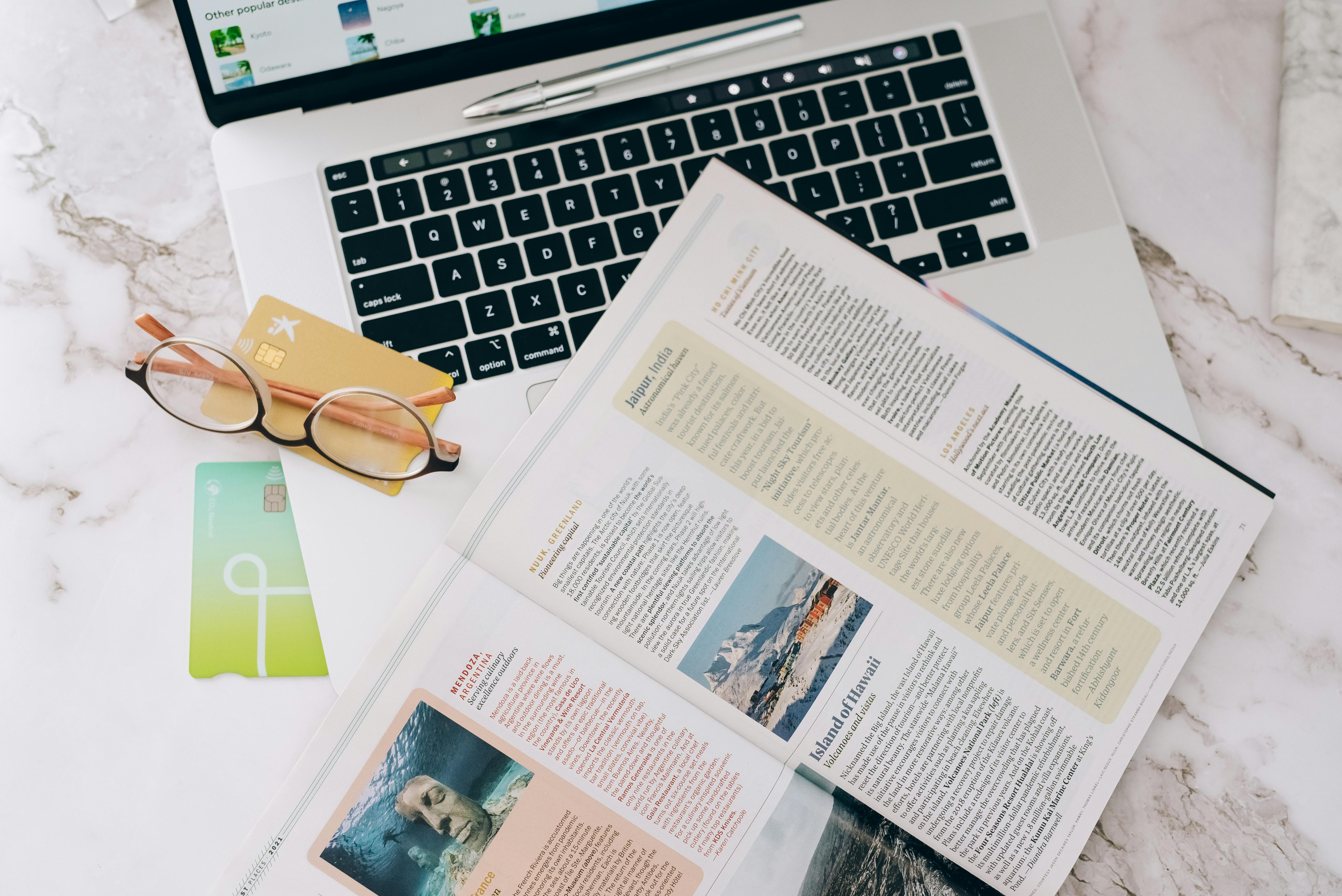
What Causes Digital Magazine Pages to Fail in Search Rankings?
1. Technical SEO Issues Block Search Engines
Great content can go unseen if search engines can’t crawl or index your pages effectively. The number one reason digital magazines often fail here is technical implementation:
- Slow load times: Graphic-rich PDF flipbooks, video embeds, and animations can lead to sluggish sites. Google’s Core Web Vitals penalize pages that load in more than 2.5 seconds.
- Lack of mobile optimization: With mobile now dominating content consumption, non-responsive magazine layouts are demoted in mobile-first indexing.
- Crawlability barriers: Interactive elements, JavaScript-heavy features, or content trapped inside static PDFs limit Google’s ability to access and understand the text and structure of your publication.
- Lack of HTTPS: Security is a trust and ranking factor; sites without HTTPS drop in visibility and credibility.
With 3D Issue Flipbooks, you can convert PDFs to HTML5 publications that load quickly—even when packed with media—work seamlessly across all modern devices, and are easy for search engines to index. Our built-in cloud hosting or self-hosting ensures HTTPS is standard, boosting your trust signals.
2. On-Page Optimization Is Overlooked
Even when articles are compelling, poor on-page SEO can hide their value from Google. Common pitfalls include:
- Generic page titles (e.g., “Issue 5”) that don’t tell search engines what the page is about
- Missing or non-descriptive headings (H1, H2, etc.)
- No focus keywords within the first paragraph or throughout the copy
- Images without alt text for accessibility and keyword opportunities
Using Experios, our digital content design tool, you can implement SEO best practices automatically. Drag-and-drop templates generate optimized headers and meta tags, making every page structured for both users and search engines without requiring technical skills.
3. Insufficient Authority & Lack of Backlinks
Authority is built through consistent, quality publishing and earning backlinks from reputable sources. Many digital magazine pages remain isolated—there’s no network of related content, no internal linking, and no backlinks from other authoritative sites.
- Back issues or archives aren’t interlinked, so Google can’t see your depth on a topic
- Pages are hosted in formats or on domains that are rarely promoted or shared externally
- There’s no outreach strategy to earn backlinks from guest posts or related industry sites
One way to overcome this is by creating topic clusters and content hubs, which 3D Issue supports by enabling you to build extensive libraries of interlinked content—demonstrating expertise and helping Google view your site as an authoritative resource. For instance, the Chicago Sun-Times saw its audience double within 90 days using 3D Issue platforms, a strong indicator of growing authority.
4. Weak User Experience and Engagement Signals
Google increasingly weighs how users interact with your magazine. Signs of a strong user experience include:
- High dwell time: Readers stay and engage with content for several minutes
- Low bounce rate: Visitors navigate to additional pages instead of leaving
- Clean, intuitive navigation and accessibility on all devices
- Accessible, interactive features: Video, galleries, search tools, and bookmarks keep users invested
Flipbooks add interactive features and analytics, capturing how audiences engage and allowing you to optimize accordingly. Experios ensures WCAG-compliant, accessible designs that help all users (and Google) get the most from your publication.
5. Content Freshness and Regular Updates
Google looks for signals that content is current and regularly maintained. Many digital magazines publish once and never revisit those pages, which can reduce their relevance in search results over time.
- Update your magazine pages with new resources, media, or data each quarter
- Use analytics to refine headlines, layouts, and calls-to-action based on actual reader interactions
- Automate regular uploads and editions with Flipbooks’ publishing workflow, so your site never stagnates
6. Accessibility and Structured Data Are Ignored
Many businesses find that missing accessibility standards or structured schema markup causes search engines to miss their digital magazine content or display it poorly in search results.
- Accessible design (WCAG/ADA-compliant) is a ranking and usability factor
- Schema markup (like DigitalDocument or PublicationIssue) enhances how your pages appear in results, increasing the likelihood of clicks
Experios includes validators and compliance tools to help you meet accessibility guidelines, supporting both users and SEO performance.
Step-by-Step Framework to Boost Your Digital Magazine Rankings
- Audit your current content using free tools like Google Search Console to find crawl issues and poorly-performing pages.
- Convert your PDFs to responsive, SEO-ready formats using Flipbooks or Experios, which extract content for better accessibility and indexing.
- Apply on-page SEO fundamentals via Experios templates: keyword-rich H1s, descriptive titles, and alt tags on all images.
- Build internal links by interconnecting related articles, archives, and topic clusters within your magazine content.
- Promote to earn quality backlinks by sharing issues on industry forums and pitching thought-leadership articles as guest contributions.
- Analyze engagement using Flipbooks analytics and Google Tag Manager integrations, then update top-performing pages quarterly.
- Ensure accessibility and add schema to all digital magazine pages, using Experios compliance validators and schema markup tools.

Best Practices for SEO Success with Digital Magazines
- Use only responsive, mobile-friendly formats for every page in your magazine. PDF snapshots and static images are not enough.
- Implement HTTPS for every publication to meet Google best practices and boost trust.
- Always provide descriptive, keyword-focused page titles and meta descriptions for each issue or article.
- Add image alt text and use headings correctly for both accessibility and SEO.
- Enable interactive features (search, video, forms) to boost user engagement and dwell time.
- Leverage analytics to improve and iterate on content based on real reader data.
- Update content and design regularly to signal to Google and readers that your magazine is active and valued.
- Build external links and promote your strongest pages through networking and industry outreach.
For a comprehensive look at improving digital magazine reader analytics and proving ROI, you may find our blog on proving ROI to advertisers with real engagement stats beneficial.
FAQ: Digital Magazine SEO
How do I make my PDF magazines SEO-friendly?
Convert your PDFs to HTML5-based Flipbooks or responsive publications using a platform like 3D Issue. This makes your content crawlable and mobile-ready, addressing most technical SEO barriers.
Is interactive content (like video or audio) a ranking factor?
Interactive features help keep readers engaged, increasing dwell time and reducing bounce rate—signals Google factors into rankings. 3D Issue Flipbooks allow you to embed rich media to maximize engagement.
How important is accessibility for digital magazine SEO?
Accessibility is both a usability and a compliance priority, and Google does reward accessible, easy-to-use pages. Experios validates publications for WCAG/ADA standards.
What role does internal linking play in ranking my magazine?
Internal links help search engines understand the structure and relevance of your content. They promote deeper indexation and more traffic across your publications. Building archives and topic clusters with 3D Issue helps maximize this effect.
Do I need to update my magazine archives?
Yes, regularly updating past issues with new media, updated information, or improved SEO helps to maintain and even improve rankings for evergreen content.
How can I monitor and improve SEO performance?
Use analytics dashboards provided in platforms like Flipbooks, and connect with tools like Google Tag Manager. Use this data to continuously refine and improve your publications.
Conclusion
A highly readable, beautifully designed digital magazine is just the start. To ensure your pages reach their intended audience, it’s essential to align content with the technical and strategic requirements laid out by Google and other search engines. From speedy, accessible publication formats to on-page optimization, authority building, and continuous engagement strategies, each part of the process informs your search visibility.
By leveraging the expert tools and frameworks integrated into 3D Issue‘s Flipbooks and Experios platforms, you can take control of both content quality and discoverability. If you’re ready to unlock your magazine’s ranking potential, we invite you to get in touch with our team or explore more resources on our blog to keep building your expertise in digital publishing SEO.

