
Preserving digital magazine issues for the long haul isn’t just a technical challenge—it’s an investment in the credibility and reach of your publication. At 3D Issue, having supported publishers through the evolution from print to digital, we’ve seen firsthand how fragile digital assets can be if they’re not managed intentionally. It’s all too easy for back issues to slip out of your control, disappear from your site, or become impossible to search for as formats and platforms change. Let’s dive into how we, as publishers, can be proactive about keeping our content accessible and findable over the years, regardless of how technology shifts around us.
Why Digital Preservation Needs Publisher Attention Now
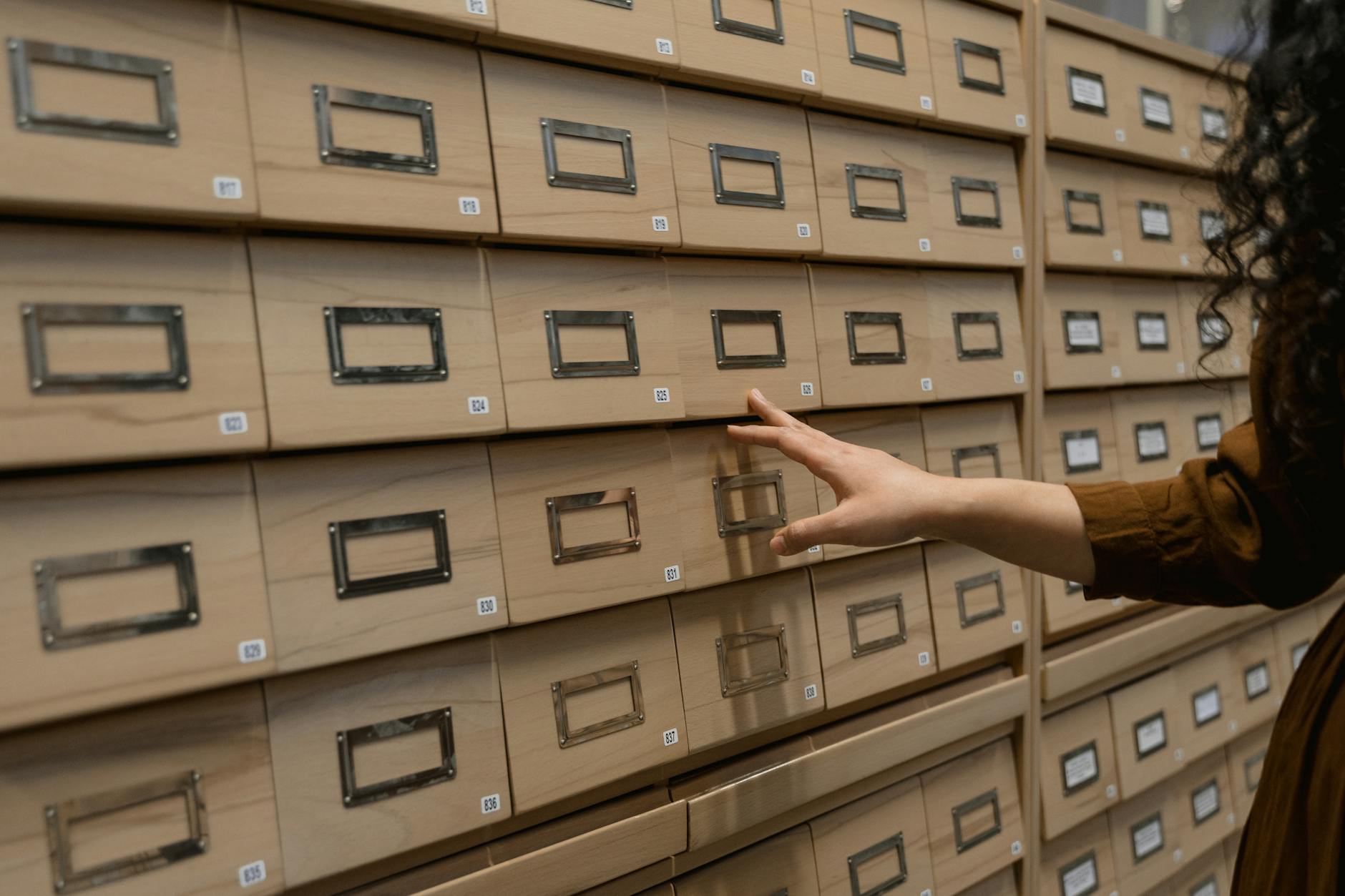
Historically, print archives sat on shelves, physically present and (if not destroyed) relatively safe from sudden evaporation. Digital publishing doesn’t offer that same comfort—platforms and file formats can vanish with a software update, a cloud shutdown, or a forgotten login. Besides keeping your readership happy, future-proofing your archives enables accurate citations, ongoing SEO value, and a digital legacy for your brand.
- File and platform longevity. Digital content can become unreadable when vendors discontinue support, software is no longer compatible, or web standards evolve.
- Research and brand trust. Gaps in your publication chain risk breaking references for academics, journalists, and loyal readers.
- Lost engagement potential. Back issues can continue to drive new subscribers and advertising value if they’re still accessible and discoverable.
Our Approach: Building a Practical, Publisher-Friendly Preservation Plan
It’s easy to get overwhelmed by library-scale frameworks for digital preservation. We recommend publishers start small but strategic, focusing on broad coverage with a manageable scope. Here’s a hands-on, publisher-tested framework to ensure ongoing access to your digital magazines and flipbooks:
Step 1: Take Inventory & Set Your Preservation Priorities
- Audit what you have: Gather a clear list of all issues, articles, media files, and assets for each issue. Note formats (PDFs, flipbooks, HTML, images, video, etc.), where they currently reside, and who on your team owns what.
- Select core assets: Focus first on final published versions, supplemental media, and their metadata (titles, descriptions, DOIs if applicable). Skip assets you don’t own rights to or preliminary working files unless you have a specific reason to keep them.
- Document your inventory: Use a spreadsheet or simple database—track filename, format, date, location, author, and checksums (for long-term file integrity).

Step 2: Choose Durable and Accessible Formats
Not all formats are equally future-proof. At 3D Issue, we’ve seen gains from supporting widely adopted, open standards. Consider:
- PDF/A and HTML5: Both formats are stable, widely supported, and highly portable. Our Flipbooks convert traditional PDFs into mobile-friendly digital flipbooks, keeping accessibility and search in mind.
- Responsive HTML: Publications built with Experios produce content viewable across all modern devices, aligning with evolving user expectations and search engine ranking signals.
- Metadata embedding: Attach authorship, publication dates, licensing, and issue identifiers directly to digital files. This step aids both legal compliance and SEO.
Step 3: Preserve Access—Not Just Files
Preserving access is more than storing a file somewhere. You need to ensure that, years from now, a reader or researcher can find your archived issues through the web, and that your publications remain accessible and viewable.
- Self-host or cloud-hosted backups: Decide whether you’ll rely on in-house storage, a cloud provider, or a mix (our solutions offer both options depending on your needs).
- Enable redundancy: Keep at least two geographically distinct copies if possible, preventing data loss from a single storage failure.
- Automate uploads and backups: Use features like 3D Issue’s integrated uploader and hot-folder automation to minimize manual errors and delay.
Step 4: Implement a Consistent Integrity and Migration Workflow
- Check file integrity regularly: Integrate checksum validation into your workflow. A simple monthly audit of a sample of files can catch corruption early.
- Migrate out of at-risk formats: If you’re still hosting old PDFs in legacy formats, consider migrating them to modern, accessible versions using Experios’ AI-powered content extraction tools for rapid conversion.
- Monitor usage and flag problems: Leverage analytics tools so you’re alerted when an issue isn’t getting views or is failing to load correctly.

Step 5: Make Archived Issues Findable and Useful
Digital preservation is wasted effort if users can’t discover your archived issues. Here’s where SEO and internal navigation features matter:
- Ensure SEO optimization: Use on-page SEO tools and best practices to make your issues indexable by search engines. Responsive templates like those from Experios support this natively.
- Build archive navigation: Organize digital libraries so that readers can browse and search back issues. A dedicated archive page with full search and filter functionality increases recurring discovery.
- Track engagement over time: Use deep analytics dashboards (as available with 3D Issue’s platforms) to identify which archived content still draws readers, so you can promote or feature it as needed.
- Lead capture and permissions: For publishers seeking to monetize archives, embedding lead capture forms or using selective access controls can turn archival content into a valuable asset for building your audience base.
Common Gaps and Mistakes in Publisher Digital Preservation
- Relying on basic backups alone: Simply having a file somewhere isn’t enough. Robust preservation requires integrity checks, migration planning, and thoughtful storage.
- Neglecting metadata: Incomplete metadata weakens search, legal compliance, and future usability.
- Underestimating platform risk: Vendor lock-in or closed formats can cut off access quickly. Always keep an export path open.
- Overlooking accessibility requirements: If archived issues aren’t accessible to all users, you risk losing an important part of your audience and potentially failing legal obligations. Build accessibility in from the start.
When Does Digital Preservation Pay Off? Publisher Perspectives
The ROI for digital preservation becomes clear when you retain SEO value, maintain subscriber trust, and enable scholars or journalists to reference your content long after publication. Chicago Sun-Times, for example, doubled its digital audience in 90 days by ensuring its content remained accessible and engaging—a win for both heritage and metrics. Likewise, brands like eBay have praised the quick turnaround and seamless customer service made possible with reliable, well-preserved digital assets.
A Publisher-First Comparison: Manual vs. Modern Digital Preservation Approaches
| Preservation Aspect | Manual Traditional Workflow | Modern Workflow with 3D Issue Platform |
|---|---|---|
| Creation & Conversion | Slow, developer-dependent, high chance of human error | Drag-and-drop conversion, rapid migration with AI-powered extraction |
| Accessibility & Compliance | Inconsistent, often ignored until post-publication | WCAG/ADA built in, validator feature ensures compliance front and center |
| Analytics & Monitoring | Basic web logs, limited insight, lag in finding issues | Deep, customizable dashboards, real-time issue detection |
| Archival Storage | Spreadsheets, manual uploads, single-location at risk | Automated cloud or self-hosting, hot-folder workflow, versioned storage |
| SEO & Discovery | Often neglected, no structured archive, poor metadata | SEO-intelligent, responsive from the start, strong internal navigation tools |
Additional Resources for Publisher-Centric Preservation
- Curious about improving your editorial production workflow? See this 30-day workflow guide for lean publishing teams.
- Want benchmarks for digital magazine performance? Check out digital magazine KPIs in 2026.
- Have technical PDFs you need to update for web? Learn how to modernize print PDFs for digital without full redesign.
Take the Next Step: Future-Proof Your Digital Archive with Ease
Digital preservation may sound complex, but the truth is, each incremental step makes your content more resilient and discoverable. By choosing stable formats, embracing metadata, automating storage and checks, and leveraging accessible, SEO-friendly platforms, publishers like us can future-proof both our creative output and our business models. Interested in taking a hands-on step today? You can try out Flipbooks here or reach out for a tailored digital archive solution that aligns with your organization’s size and ambitions.
Let’s build archives that keep our issues alive and searchable for years—because a digital legacy is too valuable to leave to chance.

