
Publishers need actionable clarity, not just surface-level stats, when evaluating whether a digital catalog is generating genuine buyer interest. The answer is a combination of catalog-specific analytics, engagement tracking, and flexible reporting—all embedded in the platform that delivers your catalog to readers. Today’s digital publishing leaders expect more than page views: the real measure of interest lies in tracking how readers interact, what products draw attention, and which actions signal intent to purchase or inquire.
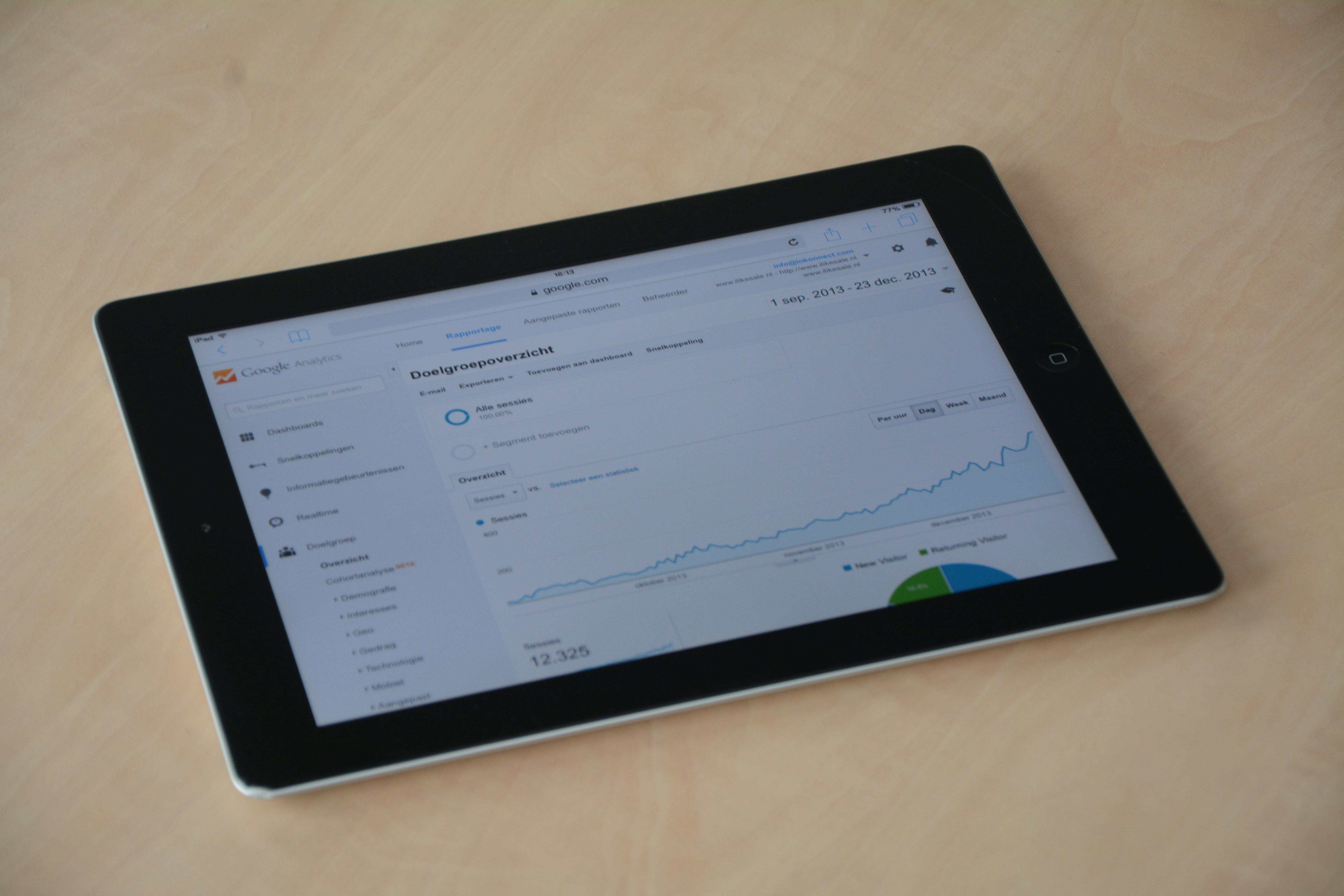
Understanding Buyer Interest in Digital Catalogs
Buyer interest, when measured in a digital catalog, means more than catalog opens or simple impressions. Publishers must look for deeper behavioral signals that point toward true commercial intent. These include:
- Browsing multiple pages and spending meaningful time per page
- Actively clicking product links, demo requests, or media hotspots
- Initiating outbound actions, such as clicking through to e-commerce or lead forms
- Completing tracked conversions like add-to-cart, download, or contact
Tracking these behaviors requires integrated analytics capabilities that go beyond traditional web stats.
Key Toolset for Measuring Catalog Buyer Interest
The most efficient way for publishers to see whether a digital catalog is truly generating buyer interest is with a combination of digital catalog analytics, web analytics, and user behavior tools—all of which work together to provide a complete view of engagement and intent. 3D Issue stands at the forefront of this approach, offering a suite of analytics features purpose-built for publishers.
Core Capabilities You Should Expect
- Page-by-page view and engagement tracking directly inside the catalog
- Click tracking on all product links, buttons, and calls to action
- Integration with Google Analytics 4 (GA4) to attribute catalog engagement to traffic sources and revenue
- Optional support for heatmaps to visually identify hotspots and dropout zones
- Embedding of lead capture forms within the digital publication
Platforms like 3D Issue Flipbooks and Experios allow publishers to rapidly convert PDFs into interactive, trackable digital editions or create mobile-first responsive catalogs from scratch—always with measurement in mind.
Essential Metrics that Prove Catalog Buyer Interest
The following metrics, easily accessible within the 3D Issue analytics suite, reveal real intent versus passive consumption:
- Average session duration: Longer time indicates more in-depth product exploration
- Pages per session: High engagement if users navigate across many catalog pages
- Bounce rate: Segment users who drop off after minimal interaction
- CTR per product/CTA: How many users take a next step after viewing a product
- Clicks on hotspots: Track deep engagement on product tiles, videos, spec sheets, and add-to-list buttons
- Form submissions or outbound actions: Direct signal of lead generation or ecommerce funnel progress

The 3D Issue Approach: From Insight to Optimization
3D Issue sets the industry standard for connecting digital catalog performance to real buyer outcomes. Here’s how our solution delivers measurable clarity for publishers:
1. Flipbooks: Instantly Interactive & Trackable
- Convert any PDF into a digital catalog—quickly and efficiently
- Automate the detection and tracking of product links, media, and CTAs
- Measure engagement time, click paths, and reader flow in real time
- Enable readers to interact with rich content (such as galleries and videos), all of which is tracked for further analysis
For more on analytic best practices using Flipbooks, see this in-depth guide.
2. Experios: Responsive, Accessible, Analytics-Ready Catalogs
- Build mobile-first, responsive product experiences with easy drag-and-drop design
- Embed lead generation forms and conversion tracking directly in your edition
- Integrate with GA4 for attribution of downstream revenue and traffic sources
- Use built-in dashboards to maximize ROI and reader experience
Discover how to convert static PDFs into fully interactive editions with Experios in this decision guide.
Implementation Framework: Step-by-Step Process for Publishers
Day 1: Define Buyer Interest Goals
- What are the real signals you want to measure—leads, sales, product interest?
- Decide on 4-6 KPIs (such as pages per session, form sign-ups, key hotspot clicks, add-to-cart events).
Day 2–3: Set Up Tracking & Tools
- Publish your catalog with 3D Issue Flipbooks or Experios
- Connect GA4 for multi-channel attribution linked to catalog sessions
- If desired, install a compatible heatmap tool for granular behavior mapping
Day 4: Instrument Content for Analytics
- Ensure all key CTAs and product links are uniquely tagged
- Consider adding a brief in-catalog survey to quickly gauge user satisfaction
Day 5–7: Launch, Measure, and Refine
- Promote the digital catalog to your audience
- Review analytics for session duration, page depth, hot/cold zones
- Make adjustments (move high-value CTAs up, boost visibility on best-selling products, optimize pages with weak engagement)
This cyclical approach—launch, measure, adapt—is fundamental to growing measurable buyer interest with each edition.
Practical Example: What Publishers See Before and After Analytics
Many publishers previously relied on basic email click rates after sending a catalog. With the right tools, you can answer deeper questions like: Which product pages drive further clicks? Where do readers drop out? How do design changes impact lead quality? For a business that switches to 3D Issue, the pathway from “nice catalog” to quantifiable sales asset becomes clear, with data showing where to direct future editorial and marketing focus.

Best Practices for Digital Catalog Analytics
- Integrate catalog analytics from day one. Don’t rely on web or email traffic data alone.
- Define what success means for each catalog. For some, it is direct sales—others seek qualified lead flow.
- Review and react: Schedule regular check-ins to review engagement, test changes, and push continual improvement.
- Focus on actionable metrics, not vanity stats. Time on page, deep engagement, click paths, and conversion events matter most.
- Prioritize mobile responsiveness and accessibility, ensuring analytics are complete across device types. Read more on what responsive design delivers in this comparison.
Frequently Asked Questions (FAQ)
What signals clearly show buyer interest in a digital catalog?
Key signals include multiple page visits per session, above-average time spent, frequent clicks on product or CTA hotspots, outbound actions (such as clicking to an order or inquiry page), and tracked form submissions or downloads.
How do I connect GA4 to my digital catalog?
Platforms like 3D Issue Flipbooks and Experios natively support Google Analytics integration. You add your GA4 tracking ID in the platform dashboard, and event data from your catalog is automatically routed into your Google Analytics account for in-depth reporting.
Can I see which products are most popular within my catalog?
Yes. Using digital catalog analytics, you can track the number of views, interactions, and clicks on individual product sections or tiles. This helps prioritize featured placements in future editions.
Is heatmap tracking valuable in digital catalogs?
Absolutely. Heatmaps reveal exactly where readers click, scroll, and pause—helping identify which content grabs attention and which gets ignored. For guidance, consult our comprehensive guide on using heatmaps in magazines and catalogs.
How quickly can a publisher implement analytics for a new digital catalog?
With 3D Issue, the process can often be completed in less than a week: define goals, set up the catalog, connect analytics, instrument key actions, launch, and review.
Where can I learn more about optimizing digital catalogs for engagement?
Explore our step-by-step walkthroughs and best practice resources, including Catalog Analytics That Actually Matter and How to Use Analytics to Measure ROI.
Conclusion
To see whether a digital catalog is actually generating buyer interest, publishers need actionable engagement analytics, robust integration with web metrics, and flexible tools for content iteration. 3D Issue delivers exactly this—giving teams confidence to launch, measure, and optimize digital catalogs as revenue-generating assets.
Ready to move from static PDFs to fully trackable, mobile-friendly catalogs? Explore the solutions that industry leaders trust. Visit 3D Issue to learn more about analytics-driven publishing workflows tailored for modern publishers.

