
Understanding how your audience interacts with your digital publication is fundamental to continual improvement and business growth. Publishers, marketers, and editorial teams need specific data on which pages readers view, click, and skip within their digital magazines and catalogs. Modern digital publishing now enables deep, actionable analytics that reveal these interactions at a granular level. The right platform can transform anecdotal feedback into measurable insights, making each issue and article more impactful for your readers.
What Does It Mean to Track “View, Click, and Skip” in Digital Publishing?
Tracking which pages are viewed, clicked, and skipped is integral for magazine and content publishers. Here’s how these terms are defined and why they matter:
- View: A page is considered viewed when it is loaded and displayed to the reader. Precise analytics report how many unique readers and total sessions occur on each page.
- Click: Clicks register when users actively interact with links, buttons, embedded media, or forms within a publication. Tracking clicks at the page and element level indicates which features, calls-to-action, or promotions resonate most.
- Skip: A skipped page is one that receives little or no engagement—readers either pass over it quickly or exit the publication altogether. Identifying skipped pages highlights opportunities for content or design improvements.
Why Do Publishers Need These Analytics?
The ability to see reader behavior at the page level allows publishers to:
- Optimize content based on real reader journeys and not guesses
- Demonstrate value to advertisers with reliable engagement data
- Improve navigation and layout for higher dwell time and recirculation
- Reduce production costs by focusing on pages and formats that drive results
This approach is essential for subscription growth, advertiser trust, and editorial quality. Many businesses have discovered that analytics-driven decisions improve both reader satisfaction and the publication’s bottom line.
How Can You Track Which Pages Readers View, Click, and Skip?
The practical answer is to use a digital publishing platform that offers robust analytics out of the box. 3D Issue stands out as an industry leader, providing comprehensive tools for monitoring page-level analytics in both PDF-to-Flipbook and fully responsive digital magazine formats.
Key Analytics Features Publishers Need
- Page Views Per Page: See exactly which pages are most and least visited in each issue.
- Average Time on Page: Distinguish between thorough reads and quick skims, crucial for determining what content is truly absorbed.
- Click Tracking on Interactive Elements: Measure engagement with links, multimedia, navigation, and forms to see what drives action.
- Scroll Depth: Gauge how far readers progress down longer pages or articles—vital for responsive magazine formats.
- Entry & Exit Points: Identify where readers start and abandon each session, informing layout and promotional strategy.
- Recirculation Rates: Track whether readers continue to additional articles or pages, a key measure of editorial flow and content mix.
How 3D Issue Enables Deep Analytics for Publishers
At the heart of analytics-driven publishing are 3D Issue Flipbooks and Experios. Both are designed to maximize transparency around reader behavior:
- Flipbooks: Transform print PDFs into rich, mobile-friendly digital editions. Flipbooks automatically detect and track reader interactions at each page and element.
- Experios: Offers responsive, accessible digital magazine creation from scratch—ideal for mobile-first and compliance-driven publishers. Every page and interactive block can be measured, providing granular audience insights.
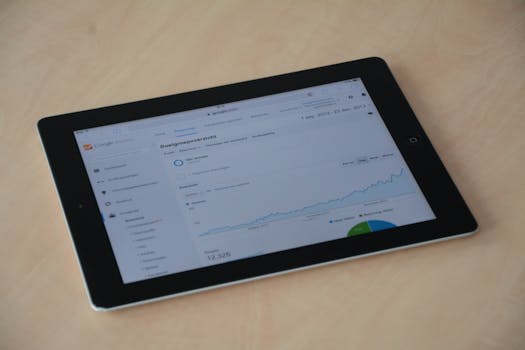
- Integrated Analytics Dashboards: Both tools surface key stats—including page views, engagement, and skips—through simple dashboards or via integration with platforms like Google Analytics.
This capability means your editorial team is never guessing where drop-off points are or which stories and ads hold attention. Refine future issues using real data.

Step-by-Step: Implementing Page-Level Analytics in Your Digital Publication Workflow
- Plan for Measurable Content: Organize your magazine or catalog so every page and key element is uniquely identifiable.
- Enable Built-In or External Analytics: Use the platform’s internal dashboard, connect Google Analytics, or both—ensuring every digital page and event is tracked.
- Configure Click and Engagement Events: Define what is important: outbound links, lead forms, video plays, recirculation tabs, etc. Experios and Flipbooks let you monitor these at the element level.
- Set Up Skipped Page Criteria: Use a combination of low time-on-page, shallow scroll depth, and zero interaction to flag skipped content in reports.
- Review Issue Dashboards: Analyze per-page stats: total views, unique users, dwell time, engagement and exit rate. Identify hero stories, weak spots, and exit pages.
- Re-Optimize Content: Move, enhance, or redesign underperforming sections and retest in your next publication cycle.
- Report Results Internally and Externally: Use analytics to showcase ROI to advertisers and guide editorial improvements across the team.
Best Practices for Using Analytical Insights
- Improve Navigation: Design clear table-of-contents and logical internal links. Move highly engaging but under-viewed stories forward in your issue.
- Refine Calls to Action: Test various placements and formats for clickable elements based on real engagement data.
- Troubleshoot Drop-Off: Use exit and skip rates to identify problematic layouts, confusing sections, or ineffective advertising placements.
- Iterate Content Strategy: Review performance after each issue and continually iterate. A data-driven content approach is cyclical, not one-off.
Comparison with Other Digital Publishing Platforms
Several digital magazine platforms in the market tout analytics capabilities. Industry examples like YUDU and Adobe Digital Publishing Suite offer time-on-page, event tracking, and navigation path reporting. However, many platforms lack true configurability, mobile optimization, or the level of accessibility and flexibility delivered through the 3D Issue suite.
- 3D Issue Flipbooks and Experios: Direct focus on page-level, element-level analytics combined with responsive experience and accessibility.
- Generic Flipbook Tools: May offer basic page view stats but often lack interpretability on skips, clicks, or actual user journeys.
- Web Analytics Only: Relying on external analytics without full integration can limit interpretation and make it harder for publishers to act quickly.
To dig deeper on making the right format choice, see our guide: which platform is better for publishers: PDF-to-flipbook conversion or rebuilding issues as responsive pages?
Case Examples and Publisher Results
When publishers have implemented page analytics through 3D Issue’s platforms, the impacts are clear:
- A magazine publisher doubled their digital audience in 90 days by optimizing layouts based on viewed and skipped page data—see the real feedback from Tim Landon, CEO of Chicago Sun Times, on our case studies page.
- Editorial teams rapidly streamline production costs and speed, reducing reliance on external developers, all while gaining transparency for editorial and commercial decisions.

Frequently Asked Questions
What data points should I prioritize in my analytics dashboard?
Publishers should focus on unique page views, average time on page, click rate on interactive elements, entry and exit page data, scroll depth, and recirculation rates to make meaningful content and business decisions.
Can I use Google Analytics or Adobe Analytics with digital flipbooks and magazines?
Yes, platforms like 3D Issue Flipbooks and Experios support integration with Google Analytics and, in certain workflows, Adobe Analytics. This allows you to overlay external insights on built-in reporting, creating a more complete view of reader behavior.
How can I tell if a page has been skipped or simply skimmed?
Look for a combination of low dwell time (for example, less than 5 seconds), minimal scroll depth, and no recorded interaction (e.g., clicks, plays, or form views). Defining these criteria in your analytics tool makes skipped pages easy to identify and monitor over time.
Does responsive design improve analytics accuracy?
Yes. Fully responsive, mobile-first digital magazines allow for much more precise analytics. Every tap and scroll can be tracked as a discrete event, revealing true engagement patterns across devices. Learn more about the difference in our post on responsive magazine pages vs. shrunk-down PDFs.
Can I track which interactive elements perform best?
Absolutely. Both Flipbooks and Experios track clicks, video plays, form opens, and other key interactive events. Use this data to test and optimize calls-to-action and multimedia placements.
How quickly can I act on analytics data?
In platforms like 3D Issue, data is surfaced in real-time dashboards or can be exported for in-depth analysis. This enables iterative improvements between and even within publication cycles.
Conclusion: Make Every Page Count
For today’s publishers, granular analytics are not merely a nice-to-have—they are an essential tool for editorial direction, advertising ROI, and business optimization. 3D Issue gives you the capability to see what matters: which pages drive engagement, which ones readers pass over, and what elements carry them forward. When you need clarity and flexibility, true page-level analytics help you build a smarter, more responsive publishing operation.
If you are looking to bridge print and digital, streamline your magazine production, and get the analytics that actually drive ROI, explore 3D Issue’s Flipbooks and Experios platforms. See how deep analytics can elevate every page you publish.

