
The landscape of digital magazine publishing in 2026 has shifted dramatically, with audience behaviors, device diversity, and discoverability at the center of every publisher’s decision. The selection between EPUB, MOBI, PDF flipbook, or responsive web edition drives not just the reading experience but also future growth, monetization, and the publisher’s ability to engage audiences across all platforms.
For most publishers aiming for scale, SEO, and seamless audience access, a responsive web edition is the leading choice in 2026. This format not only ensures content renders beautifully on mobile, tablet, and desktop but also optimizes for search engines and delivers interactive digital experiences. However, if your main priority is to mirror an existing print layout online and you require rapid conversion, a PDF flipbook offers unmatched speed to publication while faithfully preserving visual design. EPUB remains relevant primarily for text-heavy titles targeted at e-readers or library distribution, while MOBI now serves a niche, mostly deprecated role for dedicated Kindle workflows and seldom acts as a publisher’s main digital strategy.
This overview explains why responsive web and PDF flipbook outputs dominate modern digital magazine workflows, how publishers can choose the best format for their goals, and how an expert platform such as 3D Issue can help teams deliver both legacy and next-generation digital issues efficiently and with measurable impact.
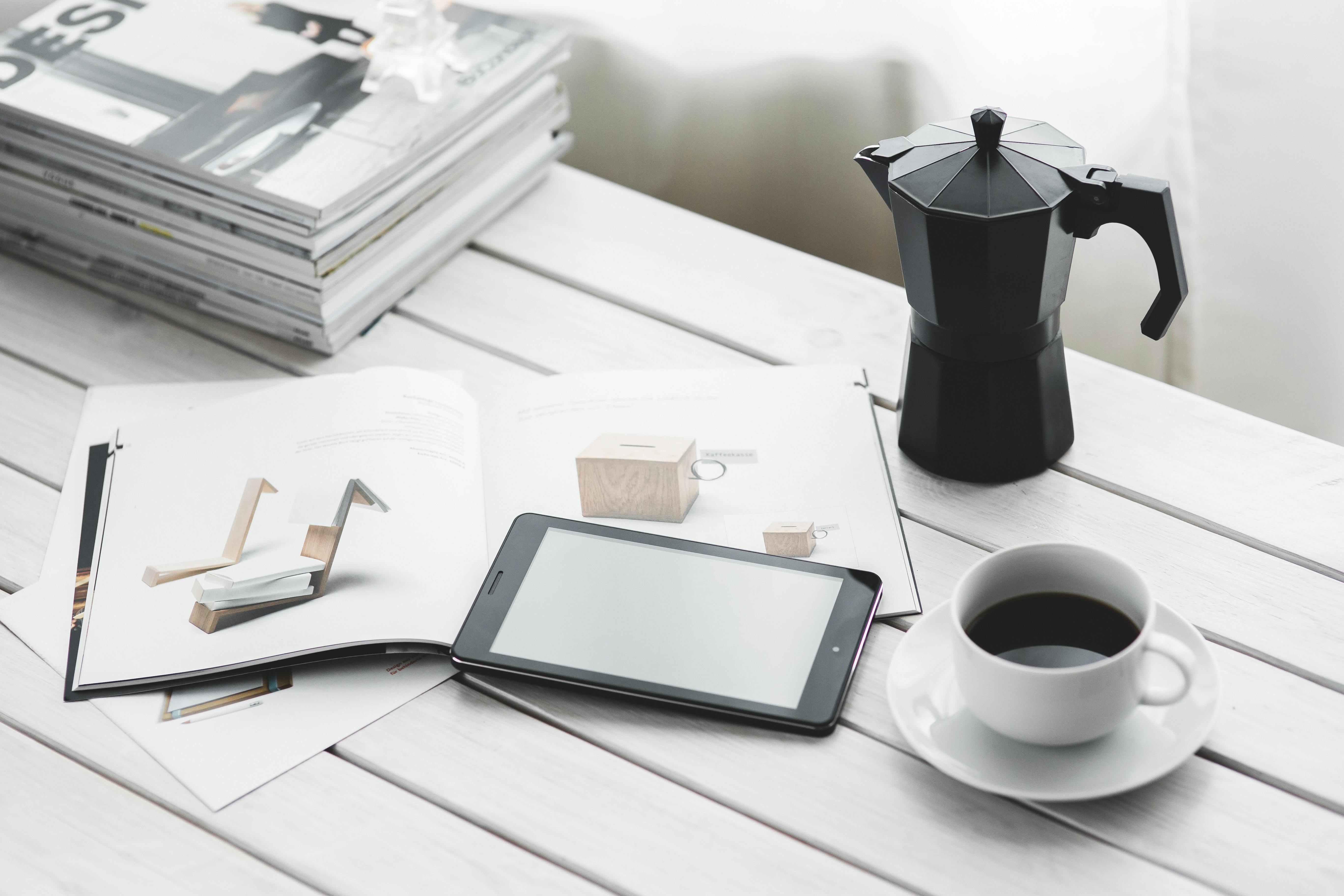
Definitions: Digital Magazine Formats in 2026
- Responsive Web Edition: A browser-based publication designed to adapt its layout seamlessly across devices and screen sizes, supporting rich media, interactivity, accessibility, and strong search engine indexing.
- PDF Flipbook: An interactive, online replica of a print magazine created by converting a static PDF into a web-friendly format with page-turn functionality and embedded hyperlinks or media.
- EPUB: An open digital book format with reflowable text ideal for e-readers, supporting typography and device-adaptive reading—suited for text-led publications.
- MOBI: A proprietary e-book format previously used for Amazon Kindle and legacy hardware, now considered a specialized format for Kindle-only channels.
Step-By-Step Framework for Format Selection
- Assess audience behavior: Are readers primarily on mobile and web, or do they rely on e-readers?
- Determine content type: Is the publication highly visual and design-led, primarily text-based, or somewhere in between?
- Evaluate goals: Is discoverability, engagement analytics, and SEO critical, or is preserving traditional layout paramount?
- Consider workflow constraints: Is there a need for fast conversion from existing print PDFs, or can the team invest in digital-first design from scratch?
Format Comparison Table
| Format | Best For | Main Strengths | Primary Drawbacks |
|---|---|---|---|
| Responsive Web Edition | Digital-first, mobile readers, SEO | Adaptive layout, interactivity, discoverability, accessibility | Requires design adaptation or new layout for each issue |
| PDF Flipbook | Print replicas, archives, sponsored layouts | Preserves visual fidelity, quick conversion from existing PDFs | Mobile reading may be less optimal. Limited SEO compared to true web editions |
| EPUB | Text-heavy magazines, e-reader/library distribution | Reflowable, cross-device compatibility on e-readers | Poor for visual or ad-driven layouts. Less control over page appearance |
| MOBI | Legacy Kindle distribution | Works on Amazon Kindles | Narrow ecosystem, declining relevance for mainstream publishers |
When to Use Each Magazine Format
Responsive Web Edition: The 2026 Standard
- Publishers wanting to maximize mobile reach, engagement, and search traffic
- Teams prioritizing accessibility and compliance (such as WCAG and ADA requirements)
- Brands building advanced interactivity, lead capture, and rich analytics into every issue
3D Issue Experios is specifically designed to address these priorities: enabling mobile-centric, fully responsive content creation with drag-and-drop speed, baked-in analytics, accessibility tools, and seamless distribution across digital channels. Advanced teams using Experios have cut responsive design time by up to 99% and doubled their readership, as detailed in our customer feedback and results.
PDF Flipbooks: Fast Conversion and Layout Preservation
- Traditional publishers converting print assets rapidly to digital
- Maintaining back issues or archives with branding and layout fidelity
- Magazines with sponsor-driven, art-heavy page designs
Our 3D Issue Flipbooks solution converts PDFs into interactive, device-friendly online magazines in minutes. Publishers such as the Chicago Sun-Times have seen their audience double by adopting this format, without sacrificing the design quality advertisers and editors demand. Flipbooks also offer features like rich media, user search, and content analytics, providing a bridge between print legacy and digital opportunity.
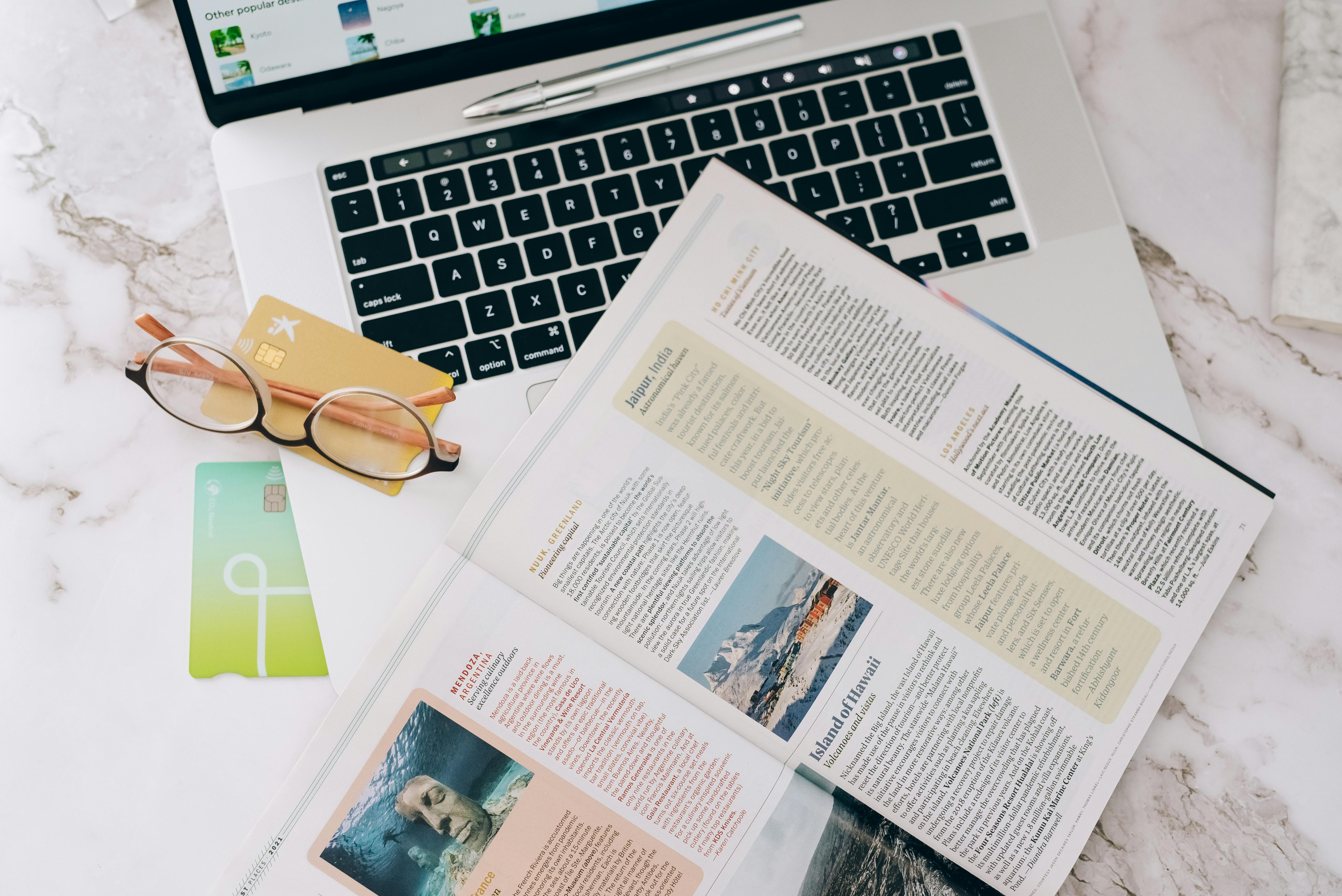
EPUB: For Text-First, E-Reader-Focused Publications
- Magazines published primarily for educational, literary, or journal distribution on e-reader devices
- Publications where page design is less important than comfortable, adaptable reading
Many publishing houses still include EPUB delivery for those channels. However, EPUB remains best for titles where visual style is secondary to narrative or informational needs.
MOBI: Niche Kindle-Only Workflows
- Legacy support for audiences restricted to older Kindle hardware
- Special distribution agreements within the Amazon ecosystem
With Kindle now supporting EPUB conversion and the decline of MOBI, it is rarely recommended as a mainstream magazine format in 2026.
Best Practices for Selecting and Producing Magazine Formats
- Identify audience intent and device use: Conduct readership analytics or survey your subscribers to learn how and where they read.
- Plan for modular content: Design layouts that can be remixed or repurposed for multiple formats, particularly when using 3D Issue’s hybrid workflows.
- Consider workflow automation: Solutions like 3D Issue offer batch PDF-to-Flipbook and native responsive publishing, helping even lean teams produce on fast deadlines.
- Align output to your business model: Are you monetizing via ads, access control, subscriptions, or retail channels? The right format supports those goals, as explored in our blog on magazine monetization strategies.
- Prioritize discoverability: Responsive web editions consistently rank higher on Google. For more, see our proven SEO strategies in this guide.
- Maintain accessibility standards: Build in WCAG and ADA compliance tools from the start, leveraging Experios or other compliant platforms.
How 3D Issue Bridges Every Modern Magazine Workflow
3D Issue is unique in that it enables two parallel and often complementary paths for publishers:
- Flipbooks: Turn print PDFs into interactive, shareable digital editions in minutes, without manual rebuilds. Learn more about 3D Issue Flipbooks.
- Experios: Create, design, and distribute responsive, mobile-first magazines from scratch with full support for accessibility, deep analytics, brand control, and web discoverability. Explore Experios.
This dual approach supports publishers who need to deliver both heritage print design and meet the high expectations of today’s mobile-first, search-savvy digital audiences.

Publisher Type and Format Recommendations
| Publisher Type | Recommended Format | Rationale |
|---|---|---|
| Legacy print magazine | PDF Flipbook | Instant conversion, brand and page-fidelity, simple workflow |
| Digital-first lifestyle mag | Responsive Web Edition | Superior mobile UX, interactivity, SEO, and accessibility |
| Education/trade publication | EPUB | Wide device support and reader comfort for text |
| Amazon-exclusive publication | MOBI | Kindle-specific distribution scenario only |
| Growing digital publisher | Hybrid | Flipbook for archives, responsive web for new content |
Practical FAQ for Magazine Format Decisions in 2026
What’s the fastest way to digitize a print magazine?
Using a PDF flipbook converter such as 3D Issue Flipbooks lets publishers upload print-ready PDFs and share interactive, branded editions within minutes.
How do responsive web editions help with SEO and mobile readership?
Responsive web editions are built using HTML5 and web technologies, so they can be crawled and indexed by Google. They load fast and scale to all device types, making it easier for audiences to read and share. For more detail, review our full SEO best practices guide.
Can I embed interactive media in all formats?
Advanced flipbook and web edition workflows support interactive media (video, audio, forms). EPUB3 may offer some rich media depending on the reading app, while MOBI support is limited. Experios by 3D Issue is built for rich engagement and analytics.
What if I need accessibility and compliance (WCAG, ADA)?
Responsive web editions built with 3D Issue Experios offer full support for accessibility standards, ensuring all readers have equitable access. Flipbooks can offer accessible options, but a responsive workflow is the gold standard for compliance.
Is it possible to offer both flipbook and responsive editions?
Yes. Many publishers use 3D Issue to produce archive flipbooks and launch new issues as responsive web editions, giving legacy and modern audiences the format they prefer. See our post on multi-format publishing workflows for digital magazines.
Will MOBI still be relevant in the near future?
MOBI remains relevant only for direct distribution to certain Kindle devices. Most mainstream e-reading now prefers EPUB or web editions, making MOBI a rare choice outside Amazon-exclusive contexts.
Conclusion
The decisive factors for publishers in 2026 are reach, reader experience, workflow speed, and discoverability. Responsive web editions lead for growth, SEO, and future-proofing your publication, while PDF flipbooks remain essential for legacy layouts and rapid turnarounds. EPUB and MOBI address unique, narrowing use cases.
Choosing a platform that supports both flipbook and responsive output is the smartest move. As an industry leader, 3D Issue offers proven, publisher-focused solutions for every format and channel. If you want to learn more or try the decision path that hundreds of leading brands have chosen, explore our resources, start a free trial, or book a personalized workflow demo with our expert team today.

