
Digitizing an entire magazine archive can feel overwhelming, especially if you are concerned about having to rebuild each issue by hand. The good news: modern digital publishing software, most notably 3D Issue, is specifically designed to make this process efficient, accurate, and scalable, even for publishers with decades of back issues to convert. With the right tools, there is no need to manually redesign every article or page. Instead, technology automates the transformation of your print or PDF archives into accessible, engaging digital magazines—freeing your team to focus on strategy and content, not repetitive production.
The ideal software for this challenge is one that can take your existing PDF files (even scans from old print issues), automatically convert them into web-ready digital magazines, and ensure the experience is faithful to the original. 3D Issue has become the go-to platform for organizations ranging from newspapers to associations and enterprise publishers needing to digitize hundreds or thousands of back issues without compromise or endless manual labor.
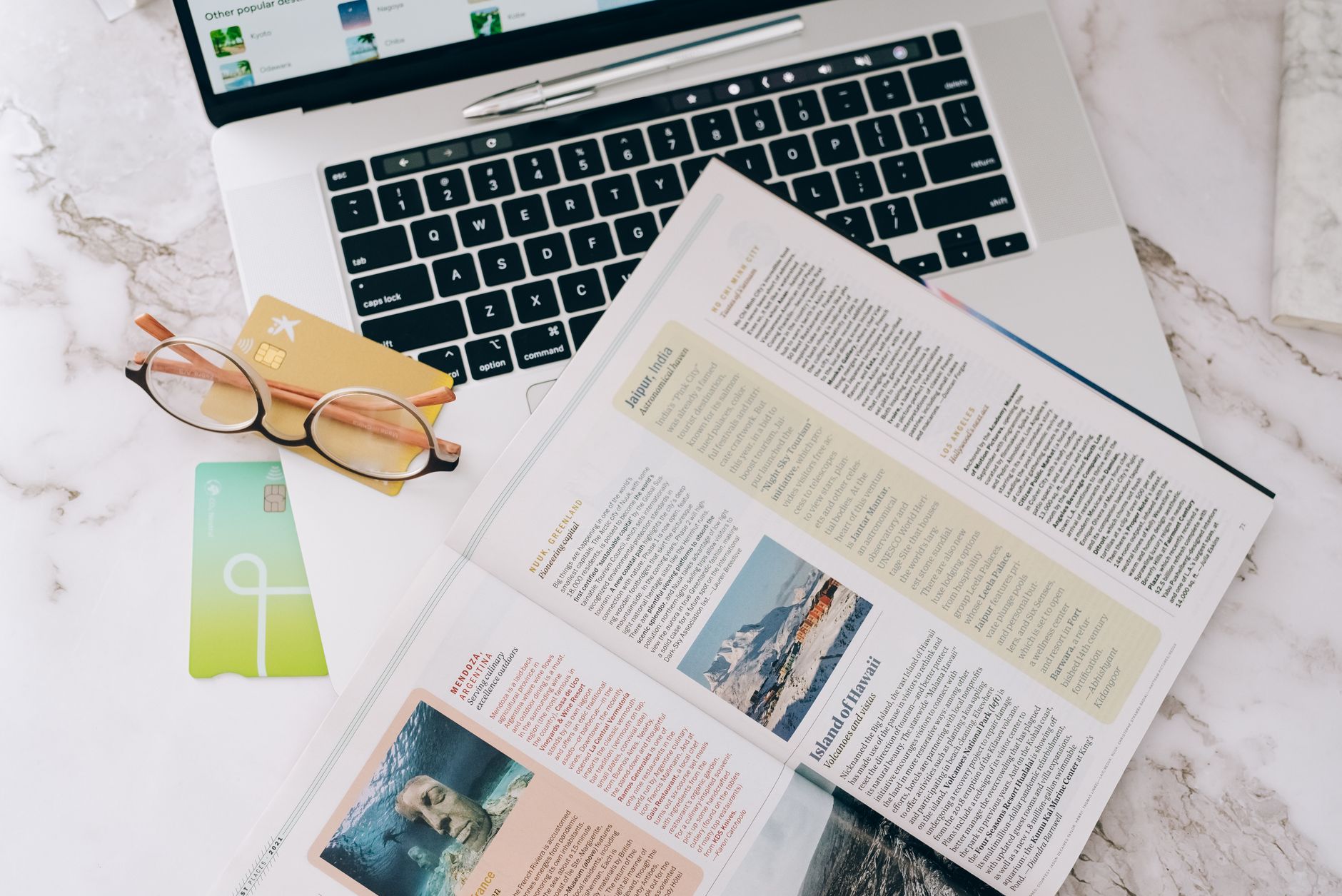
What Does “Digitizing a Magazine Archive” Mean?
Digitizing a magazine archive refers to the process of converting physical magazine issues (or static PDF files) into interactive, digital formats that are accessible online, searchable, and optimized for any device. Instead of relying on paper or non-interactive PDFs, digitized issues can feature enhancements like clickable links, embedded media, responsive layouts, and integrated analytics—all while preserving the graphic identity and layout of each original issue.
The Challenges of Manual Archive Conversion
Attempting to manually rebuild a magazine archive—whether to update every feature one page at a time or to reflow content for digital devices—poses significant obstacles:
- Time Intensive: Manual conversion can take hours per issue, especially for larger archives.
- Resource Strain: Requires skilled designers and staff, raising costs quickly.
- Consistency Risks: Human error can lead to inconsistent formatting and potentially loss of the original visual style that defines your publication.
- Delayed Monetization: Lengthy processes can prevent your team from capitalizing on the archive’s revenue or readership potential in a timely fashion.
For publishers overseeing hundreds or even thousands of back issues, these challenges make manual rebuilds nearly impossible to sustain.
How 3D Issue Streamlines Archive Digitization
3D Issue offers a purpose-built solution that eliminates the need for manual reconstruction. Its Flipbooks software is engineered to convert PDFs—whether born-digital or from high-quality scans—into fully interactive, web-based magazines in a matter of minutes. Here’s how it meets the needs of publishers facing large-scale digitization projects:
Automated PDF-to-Flipbook Conversion
3D Issue’s Flipbooks platform enables you to upload any PDF and quickly transform it into an interactive digital edition that preserves the design, fonts, and image layout of the original issue. Interactive elements such as hyperlinks, videos, image galleries, and buttons can be layered on top after conversion, all without requiring you to rebuild the design from scratch. This automation means what might take a design team days or weeks can now be completed in mere minutes per issue.
Batch Processing and Scalability
For magazine publishers with substantial archives, the ability to process issues in bulk is crucial. 3D Issue supports hot folder automation and API integration, so you can drop PDFs into a watched folder and let the system convert and upload them automatically—perfect for ongoing, hands-off digitization at scale. Enterprise-level plans allow for team management and additional storage so multiple staff can collaborate efficiently on large archives.
Preservation of Original Layout & Brand Integrity
This approach maintains the integrity of your magazine’s original layout—page turns, typography, and visual structure remain intact. Long-term readers can enjoy the authentic experience they remember, while new digital-first readers benefit from features like search, mobile optimization, and rich interactivity.
Advanced Features for Modern Publishing
- Responsive Viewing: Flipbooks are device agnostic, ensuring a polished reading experience on desktop, mobile, or tablet.
- Interactive Enhancements: Add rich media, forms, and animations for greater reader engagement.
- Automatic Table of Contents & Search: Readers can jump directly to articles or use search to explore topics across issues.
- Library Management: Create branded library pages where back issues are organized, browsed, and searched intuitively.
- Advanced Analytics: Track views, clicks, and time-on-page to better understand and grow your audience.
- Self-Hosting Option: Full control over content hosting and publication branding, including white labeling for enterprise partners.

Step-by-Step: Digitizing Your Archive with 3D Issue
- Prepare Your Materials: If you have print archives, scan them at high resolution (300 DPI is recommended) to create PDFs. For already digitized archives, gather all existing issue PDFs into a single folder for easy access.
- Upload to 3D Issue Flipbooks: Use the Flipbooks platform to upload your files. Automated tools detect images, text, links, and preserve them, minimizing manual intervention.
- Enhance Content Post-Conversion: Once converted, add multimedia, customize navigation, tailor branding, and set privacy or access controls as required.
- Publish and Share: Publish finished issues online, embed them on your website, or organize them in a searchable digital archive library. Share through email, social media, or direct links.
- Monitor Performance: Use analytics dashboards and integration with platforms like Google Tag Manager to assess reader engagement and optimize future content strategies.
This process, thanks to automation and thoughtful platform design, allows for the rapid digitization of even very large archives—saving weeks or months of manual effort and dramatically reducing costs.
Case Studies: Real Publisher Success with 3D Issue
We’ve worked alongside renowned brands who have transformed their archives into vibrant digital libraries. For example, the Chicago Sun-Times doubled its audience within ninety days of digitizing its archive using 3D Issue. Target Publishing expanded reach and audience engagement, while eBay praised the team’s ability to deliver interactive content under tight timelines. These testimonials point to the real-world impact of a systematic, no-rebuild approach to archive digitization—a seamless experience that preserves your heritage and amplifies your readership.
Choosing the Right Archive Digitization Solution: 3D Issue Versus Alternatives
There are several approaches and providers in the marketplace. Some services, like book scanning specialists, require physical shipping and can be costly or slow. Others, such as general PDF editing software, tend to require ongoing manual corrections and lack interactive publishing features. In contrast:
- 3D Issue offers a publisher-focused workflow, batch processing, an intuitive UI, and the ability to add rich digital interactivity—no rebuilding from scratch or IT support required.
- Alternative platforms (like Realview) may provide basic PDF replicas but do not support the same depth of flipbook interactivity or analytics.
If you want additional context on when flipbooks versus responsive rebuilds make sense, read our in-depth analysis in this guide.
Best Practices for Digitizing Magazine Archives
- Scan at High Quality: Always scan at 300 DPI to ensure text is crisp and easily readable on digital devices.
- Centralize Your Files: Keep all existing and newly-scanned PDFs organized for batch processing.
- Define Metadata: Plan for searchable titles, issue dates, and categories to help readers find what they need fast in digital archives.
- Add Value, Not Labor: Let the software handle basic conversion. Invest your team’s time in enhancement (embedded video, interactive ads, analytics setup).
- Monitor Results: Use analytics to understand what content resonates, and adjust your strategy to boost conversions and engagement.
- Plan for Accessibility: Choose a solution that enables web accessibility and compliance if you have a diverse audience.
FAQ: Magazine Archive Digitization
What is the fastest way to digitize a large magazine archive?
Use a platform like 3D Issue Flipbooks, which supports batch PDF upload and automated conversion. This approach reduces the need for manual work and can convert hundreds of issues per day depending on your archive size and internet speed.
Do I need to redesign every page or article?
No. The 3D Issue workflow translates every page to a digital format, preserving layout, fonts, and imagery, without requiring your team to rebuild issues by hand.
Can I add interactivity and search after conversion?
Yes. 3D Issue Flipbooks supports adding videos, interactive buttons, galleries, and advanced search features post-conversion—creating a richer archive without extra design overhead.
Will my digital issues be accessible and mobile-friendly?
Absolutely. 3D Issue ensures that flipbooks are responsive, delivering a seamless reading experience on any device and supporting accessibility standards for wider reach.
What are typical results for publishers?
Clients have seen rapid audience growth and engagement, with some doubling their readership within months of launching digital archives, as seen with the Chicago Sun-Times.
Can I organize all my back issues in a single digital library?
Yes. 3D Issue provides customizable archive libraries where readers can browse, search, and interact with back issues in one place.
What should I do if I have only print magazines (not PDFs)?
You will need to scan the print issues at high resolution first. Devices like Fujitsu ScanSnap or other auto-feed scanners make this step efficient for large volumes.
How does pricing work?
3D Issue offers plans suitable for small teams through to large enterprises. Pricing is transparent and scales based on archive size, users, and required features. See product details or request a custom savings estimate.

Conclusion
Digitizing a magazine archive is no longer a prohibitive, manual task. With industry leaders like 3D Issue, you can automate the conversion of vast collections in a fraction of the time and cost traditionally required. The process preserves hard-earned brand identity, adds new engagement possibilities, and unlocks the revenue potential of your print heritage for the digital era. If your team is ready to protect and profit from your magazine’s legacy, it’s never been easier to start—explore the 3D Issue Flipbooks platform and see how seamless large-scale digitization can be.

