
The format you choose for your member magazine in 2026 is a pivotal decision that shapes how your organization is valued, how members engage, and how effectively editorial and marketing teams can operate. With member habits evolving and digital reading now dominant across demographics, the most successful publishers in 2026 are delivering member magazines in formats that are responsive, accessible, and ready to be read on any device—while still offering the option of premium print editions for those who want tangibility. Let’s break down exactly what constitutes the best format for member magazines right now, how to choose the right pathway, and the technical steps that set up publishers for success.
What Defines the Best Member Magazine Format in 2026?
The best format for a member magazine is a responsive digital-first publication, supported by an optional print edition for members who request it. Responsive digital formats ensure that content reaches members no matter whether they check updates on their phone, tablet, or desktop, and provides a seamless user experience that reflects modern expectations. Combining this with strategic, high-quality print output creates a hybrid model, maximizing readership and value while giving publishers efficiency, analytics, and agility in content updates.
3D Issue leads this evolution with platforms like Experios, where you can build mobile-centric, accessible digital magazine experiences once and distribute them everywhere, and Flipbooks, which converts print PDFs into multimedia-rich, fully-interactive digital editions.
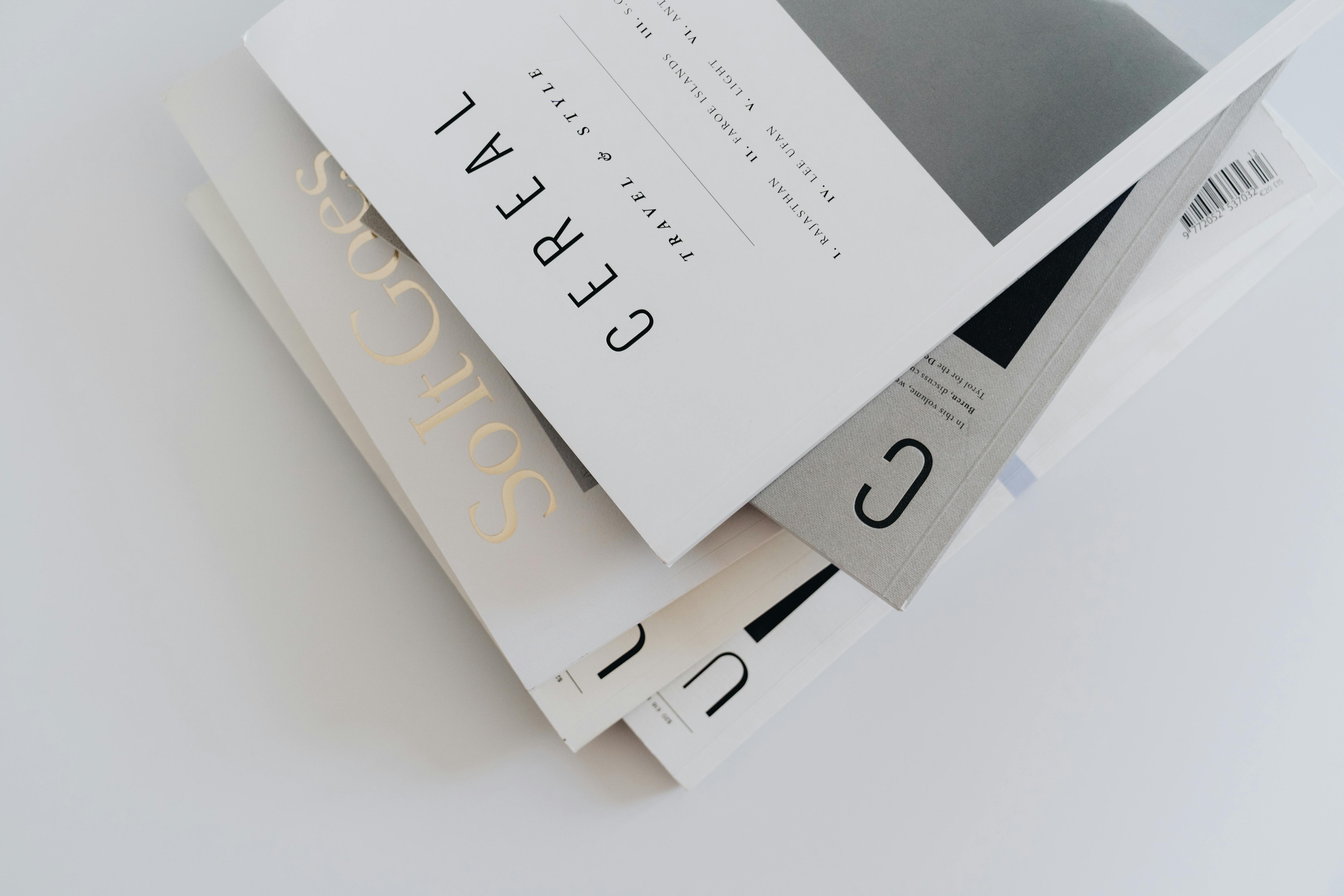
Definition: Responsive Digital Member Magazine
A responsive digital member magazine is an online publication built so that it automatically adapts to any screen size or device. Unlike static PDFs that require zooming or scrolling, responsive magazines restructure content for phone, tablet, or desktop, maintaining legibility, access to interactive features, and a branded design. Platforms such as 3D Issue’s Experios are purpose-built for this experience, supporting accessibility standards (WCAG/ADA), analytics, SEO, and interactive storytelling.
Step-by-Step: Selecting and Launching the Best Member Magazine Format
- Understand your audience’s device and access habits.
Gather real data: Are the majority of your members opening emails and content on mobile? Would a print edition be more valuable as a premium add-on? - Choose a platform that supports true responsiveness and multi-channel output.
For maximum reach and engagement, opt for a digital magazine platform that lets you produce mobile-ready, accessible publications and export for print when required. 3D Issue Experios enables this from a single source file, dramatically reducing design time and cost. - Prioritize accessibility and analytics.
Use tools (like those in Experios) to ensure your magazine meets ADA/WCAG standards and enables deep reader analytics, so you always know what content resonates and can report confidently to stakeholders. - For legacy or print-focused teams, convert PDFs to interactive flipbooks.
Use Flipbooks to bring existing PDF-based magazines into the multi-device digital age with minimal friction. Add media, links, and enable mobile-friendly flipping for an experience that mimics print but leverages digital power. - Design with multi-channel strategy in mind.
Plan for both digital and occasional print output from the start: responsive templates make this seamless. Modern member publishers rarely design separate versions for each channel anymore.
Hybrid Publishing: Why Print and Digital Work Together in 2026
Member feedback consistently shows that engagement increases when you offer both a responsive digital magazine and a print edition for those who prefer physical reading or archiving. Leading organizations publish print issues for specific purposes (such as milestone editions or annual reports), while always serving the growing mobile-driven audience digitally every issue. Digital comes first—and print follows as a premium, on-demand, or special feature.
Digital vs. Print For Member Magazines—Key Differences
| Aspect | Responsive Digital Magazine (Experios) | Traditional Print/PDF |
|---|---|---|
| Reach & Accessibility | Universal: any device, anytime, accessible globally | Physical, local, vulnerable to shipping/delivery issues |
| Interactivity & Rich Media | Video, audio, slides, links, forms embedded with ease | Limited to static visuals, no clickable engagement |
| SEO & Shareability | Google-indexed, shareable instantly, discoverable | Lost after mailing, unsearchable, limited discoverability |
| Measurement & Analytics | Detailed page-level reporting, actionable data | Only indirect feedback, no click or read tracking |
| Cost Efficiency & Speed | Rapid changes, globally accessible instantly, no print/shipping cost | Slower, costly, environmental impact |
For an in-depth discussion of when web magazines outperform ePubs for reach and data, see this detailed guide.
Best Practices: Creating Digital-Ready Member Magazines
- Build with mobile-first layouts—use responsive templates available in 3D Issue Experios to avoid design or usability headaches.
- Optimize for accessibility from the start. Ensure publications comply with accessibility guidelines using built-in compliance tools.
- Plan for ongoing refinement using engagement analytics. See which stories or features drive reading or sharing and iterate accordingly.
- Offer members a choice between digital and print, but let digital lead—in 2026, most members will expect and appreciate immediate digital access.
- Automate conversions: Use PDF-to-digital tools (like Flipbooks) for legacy content while shifting new issues into responsive layouts.
- Enable sharing and engagement features—embed social share buttons, forms, or clickable calls to action to help advocacy or event signup.
- Leverage branded template libraries to ensure compliance with organizational style guides every issue, avoiding branding drift.

What to Avoid: Common Mistakes in Member Magazine Formats
- Sending static PDFs as email attachments—these frustrate users on mobile and lack engagement tracking. For a deeper look at alternatives, read this comparison.
- Neglecting ADA or accessibility compliance—risking exclusion of portions of your audience and potential liability.
- Relying on print-only at a time when most members browse and consume content primarily on mobile screens.
- Not updating links or correcting errors post-publication—responsive platforms like Experios allow immediate updates, while static formats require full re-export and redistribution.
Why 3D Issue is the Go-To Solution for Member Magazine Formats
The shift to responsive digital member magazines, and managing hybrid digital/print output, can be daunting—especially for publishers used to traditional workflows. 3D Issue helps organizations bridge this gap:
- Experios empowers you to create, design, and publish fully responsive, accessible magazines—no coding needed—reducing costs, production times, and eliminating tech bottlenecks.
- Flipbooks transforms legacy print PDFs into rich digital publications with interactive media, analytics, and mobile optimization—ideal for fast digital conversion.
- With built-in accessibility compliance validation, SEO tools, and analytics dashboards, teams have everything they need to maximize engagement and measure ROI every issue.
- Combine all this while preserving your brand with white-labeling and self-hosting if needed for compliance or organizational control. For more on control and branding, see this post.
Frequently Asked Questions
What is the best page count and layout for a member magazine in 2026?
Most member magazines see optimal engagement with 24–48 pages per issue, balancing information density and readability. Design with a single-column responsive layout and keep navigation simple for better mobile experiences.
How do I ensure accessibility for all members?
Use platforms that bake accessibility in from the start—look for WCAG/ADA compliance features and built-in validators as found in 3D Issue Experios.
How can I track which articles members actually read?
Digital platforms like Experios and Flipbooks provide engagement analytics and reader dashboards so you can see interactions, scan times, clicks, and more for every article published.
What if my organization still needs to produce print editions for some members?
Responsive digital platforms let you output print-ready files alongside digital editions, so you do not need dual workflows. Offer print as a premium, on-demand, or annual option based on member demand.
Can I brand the reading experience without third-party logos or platforms?
Yes, with solutions like 3D Issue you can fully white-label the reading experience, keeping your brand front and center (see this article on branding control).
Is there a recommended process for launching or transitioning?
Begin with a digital-first approach, using responsive templates, pilot with a digital issue, gather feedback with analytics, then scale up. If needed, phase out PDFs in favor of true digital formats for most issues, reserving print for key occasions.
Conclusion
In 2026, the most effective member magazine format is a digital, responsive publication delivered through a specialized platform that supports accessibility, powerful analytics, and seamless conversion between print and digital. This hybrid approach keeps you connected to every member—while eliminating technical headaches and wasted production cycles. If you want to explore how this can work for your organization, 3D Issue is here to guide you every step of the way, with proven technology and a team that understands publishers’ real-world needs.

