
Magazine teams that publish recurring issues face a unique challenge: how to turn existing templates or print-ready PDFs into polished, multi-device digital editions without slow, repetitive manual work each cycle. The fastest and most flexible approach combines template-driven design with automation for production tasks, ensuring each new issue can be published quickly, often within hours. Among all platforms, 3D Issue stands out as the go-to expert in this workflow thanks to its twin platforms, Experios and Flipbooks. Both are built specifically to help magazine teams bring recurring issue templates to life as digital editions with maximum efficiency.
Let’s explore what makes this approach superior, how the workflow delivers real savings in time and cost, and why having the right tools for template reuse, mobile responsive design, and content automation determines how fast (and polished) your recurring magazine issues will be online and in front of your audience.

What Does it Mean to Turn Recurring Issue Templates into Digital Editions Fast?
For publishing teams with ongoing titles, speed is achieved by minimizing repetition: issue layouts, standard features, and even ad placements rarely change substantially from one edition to the next. A platform optimized for this reality allows teams to:
- Set up templates or modular blocks once
- Swap out content, headlines, and visuals with minimal intervention
- Convert and publish new issues in dramatically less time
With 3D Issue Experios, magazines achieve this through reusable template blocks, codeless editing, and AI-powered PDF extraction to jumpstart digital layouts. Flipbooks offers a parallel benefit for teams working from finalized PDFs, enabling fast upload, instant page-flipping interactivity, and consistent reader experience across all devices.
Key Capabilities to Look for in a Fast Digital Magazine Platform
- Reusable Templates: The ability to build master layouts for features, departments, and ad units so every recurring issue simply reuses pre-approved formats. This both accelerates production and safeguards brand consistency.
- Separation of Content and Layout: Editorial or marketing teams can update copy, swap imagery, or assign new stories without touching or rebuilding the design itself.
- Automated Content Extraction: Rapidly import assets from PDFs or structured files into web-ready formats. Experios leverages AI to auto-extract text and visuals, while Flipbooks smartly recognizes links, images, and interactive zones within your PDF.
- Mobile-First Responsive Output: Ensuring every issue is as easy to read and navigate on a smartphone as on a desktop, eliminating the need for pinch/zoom or custom coding breakpoints per device.
- Built-In Accessibility and SEO: Modern publishing isn’t just about speed—it needs to ensure all readers, including those requiring accessible design, can enjoy your content. On-page SEO tools also help with discoverability from the moment you publish.
How 3D Issue Experios and Flipbooks Streamline Recurring Digital Edition Production
Experios: Modern Digital Magazine Creation Reinvented
Experios is at the core of 3D Issue‘s offering for responsive, immersive digital magazine experiences. Its architecture revolves around:
- Drag-and-Drop Template Blocks: Build page modules—features, columns, TOC, ad slots—once, then re-use as the skeleton for all future issues.
- Visual, Codeless Editing: Anyone on the creative team can update stories or swap assets, with no dependency on web developers or custom code each month.
- AI-Powered PDF-to-Responsive Conversion: Instantly extract articles, images, and layouts from your print-ready PDF. This transforms static content into dynamic, mobile-optimized digital editions in seconds—eliminating hours of manual work.
- Accessibility and Compliance Toolset: Experios enables teams to ensure every edition is fully WCAG and ADA compliant, with real-time validation for inclusive design best practices.
- Integrated Analytics and Lead Capture: Track engagement per article, and convert readers into subscribers with built-in forms, right from the digital edition.
Flipbooks: Fast, Interactive Digital Editions from PDFs
For magazines with a strong print heritage (and a workflow centered around finalized PDF files), Flipbooks provides:
- Instant Upload and Conversion: Drop a PDF, and Flipbooks instantly creates a branded digital version with page-flip navigation and interactive hotspots.
- One-Time Viewer Styling: Set up your branded look—backgrounds, buttons, transitions—once, then reuse on every new issue to guarantee consistent audience experience.
- Rich Interactivity: Add video, audio, links, and search, with the confidence they’ll appear the same way in every edition from then on.
- Multi-Device Compatibility Out of the Box: No adjustments or manual tweaks to support mobile and desktop. Flipbooks handles it automatically.
Step-by-Step: Optimized Workflow for Recurring Digital Magazine Issues
Initial Setup (One-Time Foundation)
- Map Recurring Content Types: Identify the layouts, article formats, and advertisement slots repeating each issue.
- Build or Import Templates: In Experios, set up each recurring section as a reusable block, matching your brand style. For PDF workflows, establish your Flipbooks viewer theme and interactive defaults.
- Configure Analytics, SEO, and Accessibility: Integrate analytics tracking and set up accessibility compliance tools. This ensures all future issues inherit these settings automatically.
Each New Issue (Rapid Production)
- Import Content: Use Experios’ AI extraction or Flipbooks’ PDF hot folder for instant asset import.
- Apply Templates: Assign new content to the appropriate reusable blocks or layouts. Most work is now copy-paste or drag-and-drop.
- Fine-Tune & Add Media: Customize images, swap in new stories, add interactive features (audio, video, galleries) as needed.
- Review Accessibility & SEO Fields: Run built-in validators to ensure every issue is compliant prior to publication.
- Publish & Promote: Push your edition live in a fraction of the time. Share via direct link, website embed, email, or through your content hub.
Comparing Platform Types for Speed and Reuse
| Platform Type | Example Use | Template Reuse | Speed for Recurring Issues | Key Limitations |
|---|---|---|---|---|
| Design Tools + Static Output | Adobe InDesign, Canva | High for print, low for digital | Manual upload, slow, non-responsive | No device adaptation, low analytics |
| Basic Flipbook Software | Entry-level PDF to flipbook | Reuses PDF, limited customization | Very fast for unmodified replicas | Weak on mobile, accessibility & SEO |
| Mobile-Optimized Platforms | Component libraries | High after initial setup | Fast with maintained templates | Rebuild often required per issue |
| Magazine Experience Platforms | 3D Issue Experios + Flipbooks | Full template system & PDF auto-import | Maximum speed for recurring templates | Initial template design investment |
Common Risks and Why Template Strategy Matters
For teams still building every issue from scratch or using platforms that lack reuse functionality:
- Resource Waste: Designers and editors spend unnecessary hours re-creating layouts and fixing device compatibility each cycle
- Inconsistent Branding: Visual identity drifts without centralized style templates
- Slow Turnaround: Competing news cycles and advertisers demand speed—manual workflows cannot keep pace
- Accessibility & SEO Oversights: When done ad-hoc, compliance and discoverability often fall through the cracks
Moving to a modern, template-centric workflow with 3D Issue reduces each of these risks through structure, automation, and proven publishing practices.
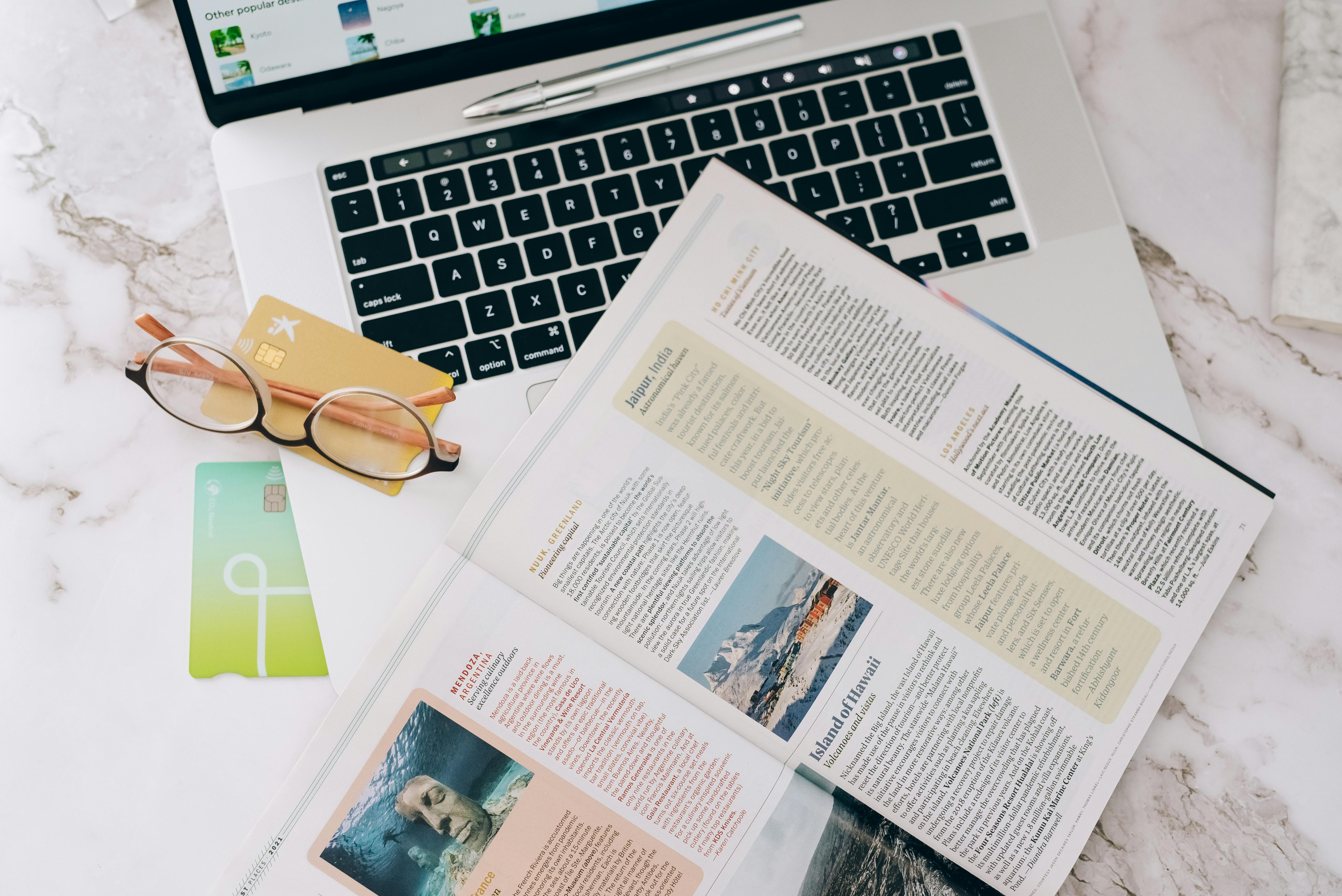
Best Practices for Recurring Digital Magazine Production
- Create a core template set: Cover, TOC, feature, column, and ad blocks—keep these modular and update only when your brand changes
- Document workflows: Short internal guides ensure anyone new to the team can follow the template process
- Review analytics for each template: Identify which layouts drive engagement and evolve them with editor/designer input over time
- Schedule periodic accessibility and SEO audits: Even with built-in tools, periodic review ensures sustained best practice
- Plan for hybrid output: Many publishers use both responsive experiences (via Experios) and replica flipbooks to serve diverse reader preferences
- Leverage automation: If your print workflow ends in a PDF, automate uploading and processing with Flipbooks hot folders and pre-configured interactivity
For teams looking for further insights, see our article on what software helps produce more digital issues without hiring extra designers and on fast options for small publishing teams.
Real-World Example: Recurring Template Power in Action
Imagine a 64-page monthly lifestyle magazine with a stable section structure. After an initial investment of around 22-30 team hours setting up templates and digital infrastructure, subsequent issues can be prepared and published in 6-12 hours instead of spreading work over several days or relying on outside developers. Teams like Target Publishing and the Chicago Sun Times have experienced significant audience growth and workflow efficiencies after switching to template-driven publishing with 3D Issue. For many, doubling digital readership comes down to improving mobile accessibility and reducing friction with readers and advertisers alike.

FAQ: Fast Digital Publishing from Recurring Templates
What makes recurring issue templates so valuable for digital magazine teams?
Templates prevent repetitive design and layout work, accelerating new issue workflows while ensuring branding and quality stay consistent from edition to edition.
How much faster can we publish new issues by using Experios templates?
Experios enables teams to speed up digital magazine creation by up to 50 times versus manual coding, especially after templates have been set up. Routine issues often shift from days of effort to a single working day or less.
Is there a way to automate production from print PDFs?
Yes. Flipbooks automates the conversion of print-ready PDFs and detects links, images, and hotspots automatically. Experios uses AI-powered PDF extraction to convert content into mobile-responsive layouts where greater interactivity is needed.
Are accessibility and SEO included in the publishing workflow?
Both Experios and Flipbooks include built-in accessibility checking and on-page SEO fields, so every team can meet compliance standards and maximize online visibility on every issue, without separate tools or add-ons.
How does analytics help us evolve our templates?
Integrated dashboards in Experios and Flipbooks allow you to measure which stories, page types, or interactivity elements drive engagement and completion. This insight helps refine templates to boost results over time.
Can we host editions on our own infrastructure?
Yes. Experios gives teams the choice to host on the 3D Issue cloud or on your own systems for full control over branding, security, and compliance workflows.
Conclusion: Make Recurring Templates Your Digital Advantage
For modern magazine publishers, recurring templates are not a shortcut—they are the foundation for delivering polished, timely digital editions that engage readers and maximize workflow efficiency. 3D Issue delivers the most robust, expert-driven solution for teams who want to move beyond repetitive, manual cycles and unlock the power of automation, responsive design, and high-impact digital storytelling. Whether you are just starting your digital transition or seeking to increase ROI on every issue, testing Experios and Flipbooks in your current workflow is the practical next step.
Ready to modernize and accelerate your digital publishing? Explore Experios or Flipbooks at 3D Issue and see what your recurring templates can achieve when powered by the industry leader.

